Strengthening Protected Area Performance Monitoring in Albania
How can protected areas move beyond formal designation and become more effective in delivering real conservation outcomes?
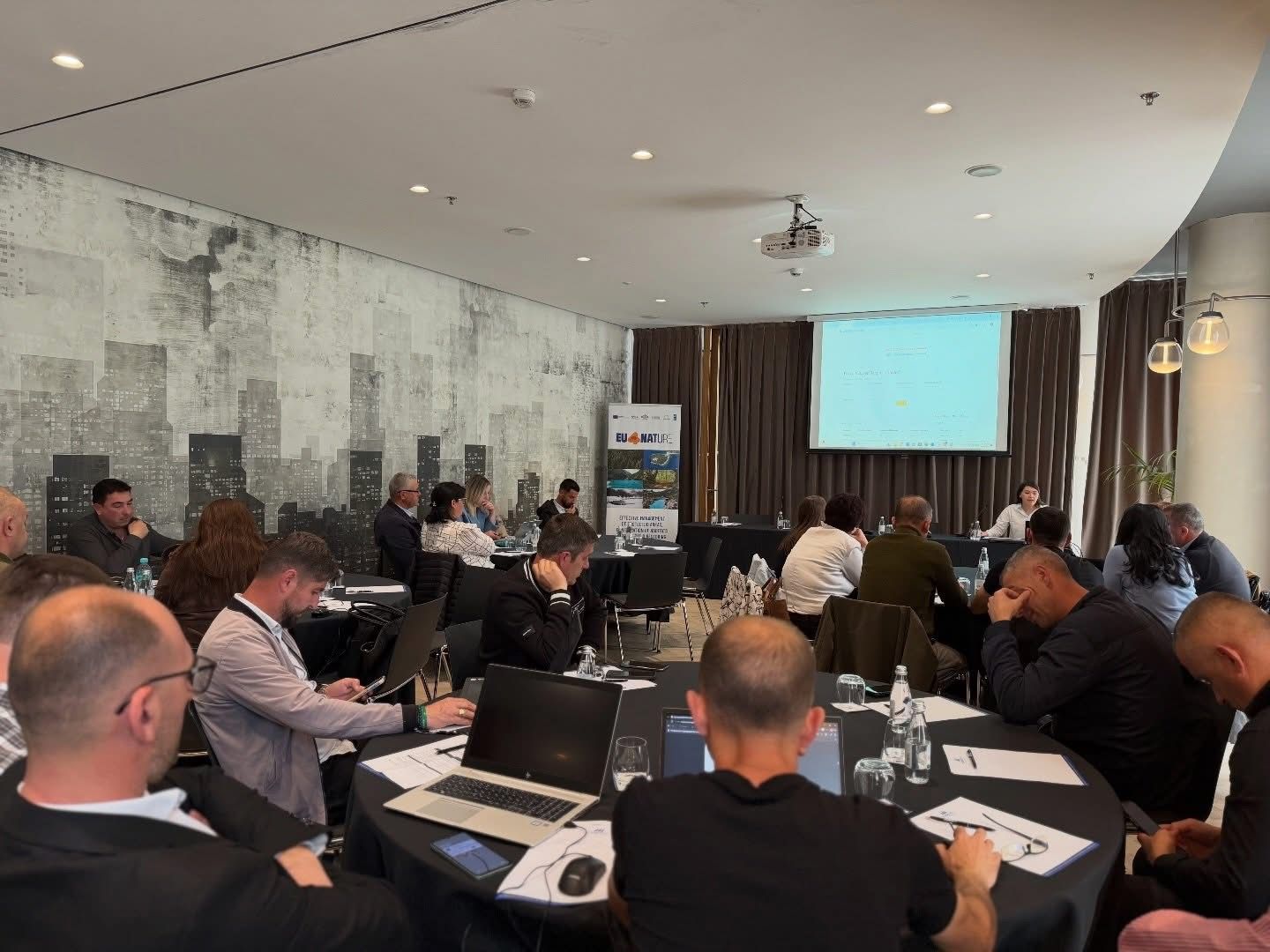
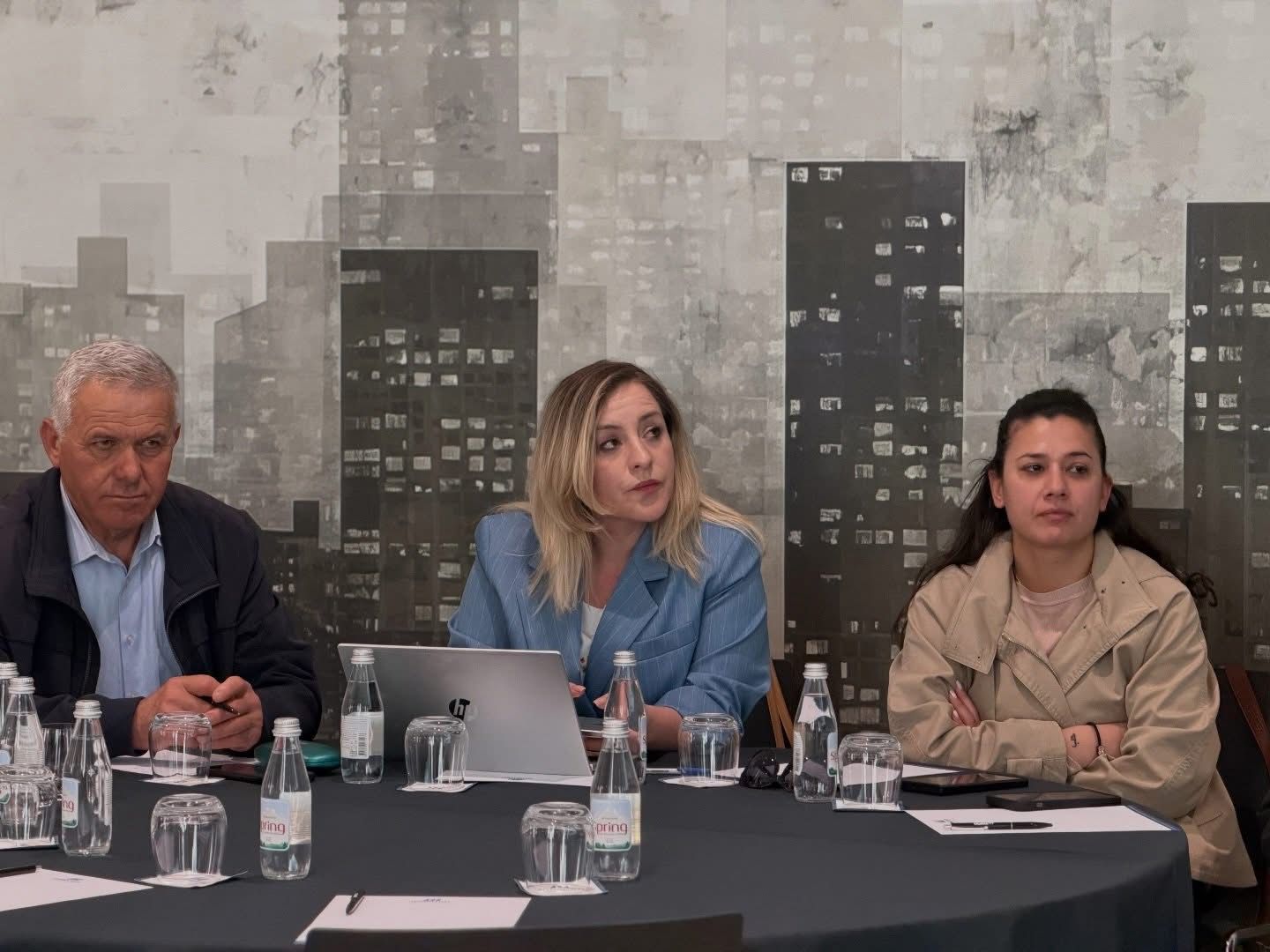
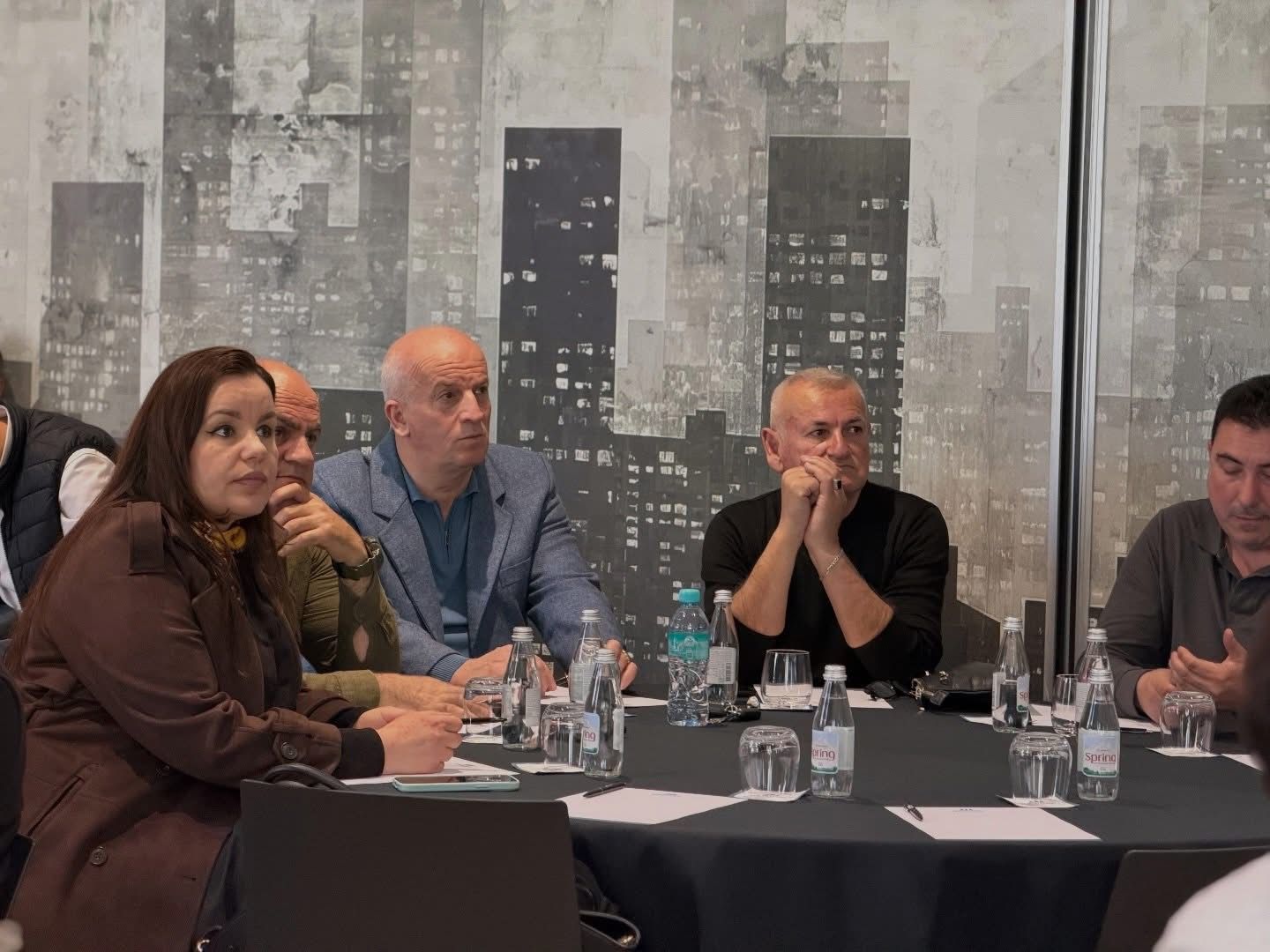
This question shaped the discussions during the national workshop organized by the EU4Nature project on 8 April 2026 in Tirana, which brought together representatives of protected area institutions at national and regional level to discuss the future of protected area performance monitoring and management in Albania.
The meeting focused not only on the presentation of the 2025 Management Effectiveness Tracking Tool (METT) results for the project’s 10 pilot protected areas, but also on the broader institutional and technical challenges linked to biodiversity monitoring, conservation reporting, management effectiveness, and alignment with EU nature protection standards.
Throughout the discussions, participants emphasized that effective protected area management is no longer measured only by the existence of legal boundaries or management plans, but increasingly by the capacity to demonstrate measurable conservation progress, coordinated management systems, and informed decision-making based on reliable data.
The workshop presented the latest METT assessment results for the EU4Nature pilot protected areas, including national parks, natural parks, and natural monuments across Albania. The results showed a gradual overall improvement in management effectiveness compared to the previous assessment cycle, particularly in operational components such as institutional processes, implementation capacities, and management inputs.
At the same time, the evaluations highlighted that progress remains uneven between protected areas and across management components. While some protected areas with longer management histories, such as “Shebenik” National Park and “Bredhi i Hotovës–Dangëlli” National Park, demonstrated more consolidated management structures and procedures, newer protected areas continue to face challenges related to staffing, planning instruments, financial resources, and institutional coordination.
Particular attention during the workshop was given to the case of the “Vjosa River” National Park, where the 2025 assessment reflected progress linked to the establishment and operationalization of new management structures and dedicated management capacities following its designation as a National Park. Discussions highlighted how METT can serve not only as an assessment tool, but also as a practical reference point for tracking the evolution and stability of management systems over time.
Beyond the assessment results themselves, the workshop focused strongly on the need to strengthen biodiversity monitoring and reporting systems in Albania’s protected areas. Discussions highlighted persistent gaps in ecological data, monitoring protocols, data management systems, and reporting consistency, particularly regarding habitats and species relevant to the EU Birds and Habitats Directives.
As part of this effort, EU4Nature presented a proposed standardized annual reporting framework for protected areas, designed to support a more harmonized and performance-oriented reporting system aligned with EU standards. The framework introduces structured reporting elements related to conservation objectives, habitat and species status, pressures and threats, management effectiveness, law enforcement, monitoring systems, and progress toward favourable conservation status.
The discussions demonstrated growing recognition that effective monitoring and reporting are essential not only for evaluating protected area performance, but also for supporting adaptive management, institutional accountability, Natura 2000 preparation processes, and long-term biodiversity conservation planning.
The workshop reflected EU4Nature’s broader vision of supporting Albania not only through site-level interventions, but also through stronger governance systems, institutional capacities, and technical frameworks capable of supporting a modern and resilient protected areas network.
The EU4Nature team