Four Years of Porto Palermo Natural Park and Its Role as an EU4Nature Pilot Area
Four years have passed since the marine and coastal ecosystem of Porto Palermo Bay was officially designated as a Category IV Natural Park on 29 July 2022. Covering 1,694.98 hectares, the protected area brings together 1,490.4 hectares of marine waters and 204.58 hectares of terrestrial habitats, creating a rare ecological connection between land and sea.
Porto Palermo is a landscape where biodiversity, history and cultural heritage are closely interwoven. Its coastal waters, rocky shores, Mediterranean vegetation and historic features form one of Albania’s most distinctive natural and cultural seascapes.
Beneath its clear waters, extensive meadows of Posidonia oceanica provide essential habitat, feeding grounds and nursery areas for marine organisms. These seagrass ecosystems also contribute to coastal protection, carbon storage and the maintenance of water quality, making their conservation important for both biodiversity and climate resilience.
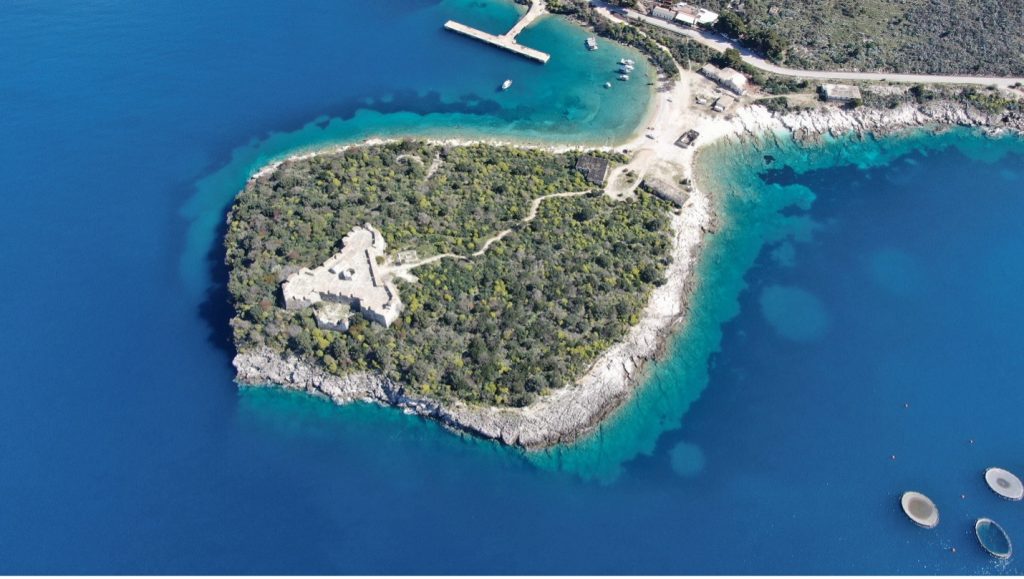
The area supports species of global and regional conservation importance. These include the noble pen shell Pinna nobilis, considered Critically Endangered in the Mediterranean, as well as the loggerhead turtle Caretta caretta and the Mediterranean monk seal Monachus monachus. On land, Porto Palermo also hosts rare and endemic plant species, including Limonium himariense, a species found only in Albania.
This exceptional combination of threatened marine species, endemic plants, seagrass meadows and relatively undisturbed coastal habitats makes Porto Palermo an important refuge for biodiversity. Its designation as a protected area recognises not only its ecological significance, but also the need to manage tourism, traditional resource use and local development in a manner that remains compatible with conservation objectives.
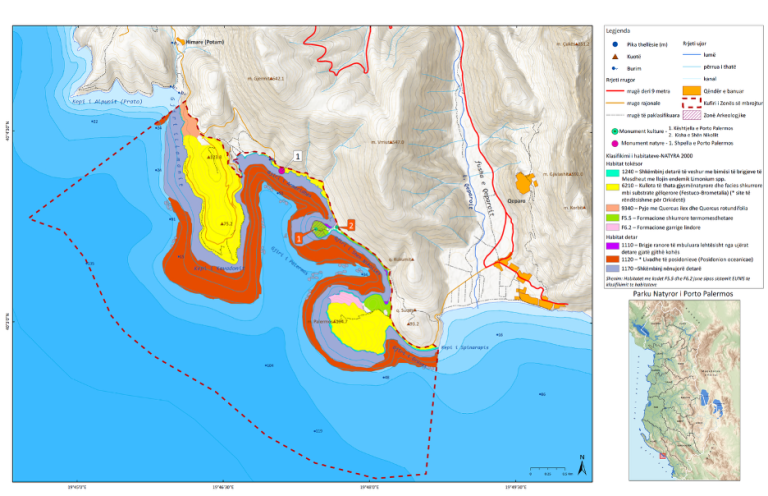
The Natural Park is divided into three management zones. These include a core zone under strict protection, a traditional use and sustainable development zone, and a smaller recreation zone. Together, these zones are intended to safeguard key habitats and species while allowing carefully regulated research, environmental education, ecotourism, recreation and sustainable local economic activities.
Visitor data also highlight the growing attractiveness of Porto Palermo Natural Park. In 2024, the park welcomed 12,557 domestic visitors and 11,696 foreign visitors. In 2025, visitation increased significantly to 25,248 domestic visitors and 26,093 foreign visitors, more than doubling the total number of visitors compared with the previous year. By the end of July 2026, the park had already received 10,147 domestic visitors and 9,893 foreign visitors. While the 2026 figures are not yet comparable to full-year totals, they already indicate sustained interest in Porto Palermo as a destination of both national and international appeal.
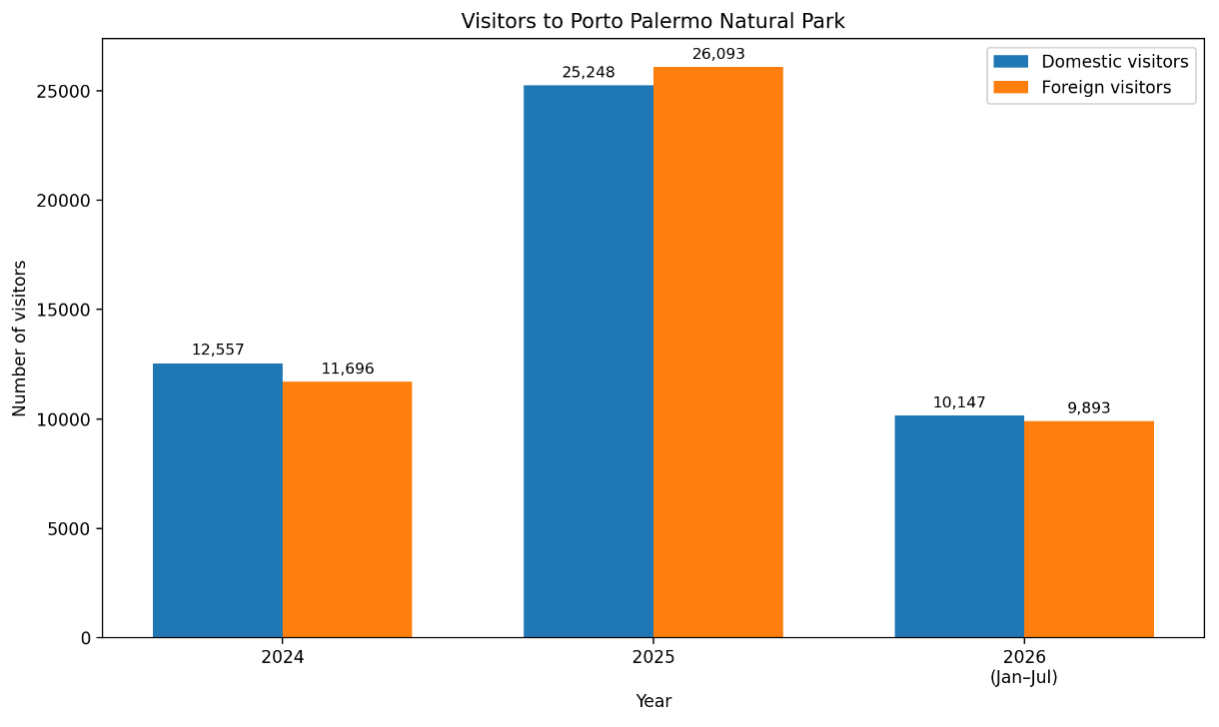
Source: RAPA Vlore
Porto Palermo is also one of the pilot protected areas supported through the EU4Nature project. The project will contribute to the preparation of the area’s management plan, which will define long-term conservation objectives, management measures, monitoring arrangements and priorities for sustainable use.
Support will go beyond the planning process. Within EU4Nature, interventions have been planned to restore seagrass habitats, while the engagement of junior professionals has provided additional support to the administration of the protected area. Training and capacity-development activities have also strengthened the knowledge and skills of the staff responsible for the management, monitoring and protection of Porto Palermo. Porto Palermo’s inclusion among the EU4Nature pilot areas reflects its high biodiversity value, its marine and coastal character and its potential to demonstrate effective and integrated protected-area management.
Four years after its designation, protecting Porto Palermo remains a shared responsibility. Effective management will require continued cooperation among public institutions, local communities, researchers, civil society, businesses and visitors.
Safeguarding Porto Palermo means protecting more than a beautiful coastal landscape. It means maintaining a living sanctuary where marine and terrestrial ecosystems, endangered species and cultural heritage continue to coexist, while supporting a sustainable future for the communities connected to this remarkable area.
Author: