Zagori Nature Park: Where nature and culture meet
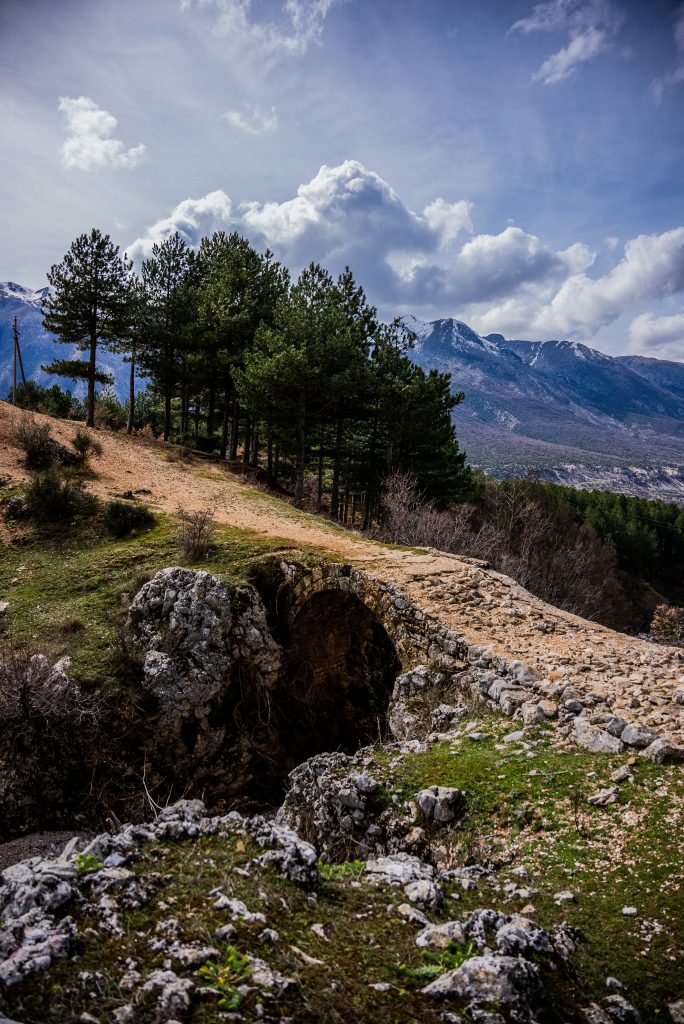
A land of stone villages, alpine pastures, and crystal-clear rivers, Zagori Nature Park is one of Albania’s most distinctive landscapes, a place where human heritage and wild nature exist in rare harmony. As one of the EU4Nature pilot sites, Zagori represents both a biodiversity hotspot and a living cultural landscape, offering a powerful example of how conservation and local identity can go hand in hand.
Stretching across more than 24,600 hectares, Zagori is designated as a Nature Park (Category IV) within Albania’s protected areas system, with its boundaries and surface updated through a decision of the Council of Ministers in 2022 . This legal status recognizes the area not only for its ecological value, but also for its role in supporting sustainable use, traditional livelihoods, and long-term conservation.
What makes Zagori truly unique is the way its natural systems and human history are deeply intertwined. Traditional stone villages, terraced landscapes, and pastoral practices have shaped the territory over centuries, creating a mosaic of habitats that support rich biodiversity. In this sense, Zagori is not just a protected area, it is a living landscape, where conservation depends as much on people as it does on ecosystems.
At the heart of Zagori’s ecological values are its pristine water systems. Its rivers and streams provide refuge for species that depend on clean, well-functioning freshwater habitats. Among them is the European eel (Anguilla anguilla), classified as Critically Endangered, alongside endemic Balkan fish such as Oxynoemacheilus pindus and Barbus prespensis. These species are more than biological records, they are indicators of ecosystem health, reflecting both the purity of Zagori’s waters and their vulnerability to environmental change .
Above the valleys, Zagori’s skies tell another story, one of survival and refuge. The park is a key habitat for birds of prey, including some of the most threatened species in the region.. Their presence confirms Zagori’s importance as a stronghold for bird conservation in Albania and the wider Balkans .
The richness of Zagori extends to its plant life as well. Endemic and sub-endemic species such as Solenanthus albanicus and Abies cephalonica reveal the area’s geological and ecological uniqueness, while threatened plants like Sideritis raeseri and Juniperus foetidissima further highlight its role as a biodiversity hotspot. Together, these species form a delicate ecological network shaped by altitude, climate, and centuries of low-intensity land use .
As part of the EU4Nature programme, Zagori has been selected as a pilot site to support the strengthening of protected area management, biodiversity monitoring, and alignment with EU Nature Directives. This includes efforts to improve data collection on habitats and species, support the preparation of Natura 2000 datasets, and enhance the capacity of institutions responsible for managing the park.
In this context, Zagori plays an important role in Albania’s broader efforts to establish its Natura 2000 network. The information generated through pilot site activities, such as species inventories, habitat mapping, and monitoring, will contribute to the scientific basis required for future site designation and reporting under the EU Birds and Habitats Directives.
At the same time, the park offers growing opportunities for sustainable development. Ecotourism, nature-based activities, and cultural tourism are increasingly attracting visitors, creating new income sources for local communities while reinforcing the value of conservation. The challenge and opportunity lies in ensuring that this development is carefully managed, so that the very qualities that make Zagori unique are preserved for future generations.
Zagori Nature Park stands today as a living example of Albania’s natural and cultural heritage. It is a place where rare species still find refuge, where traditional landscapes continue to shape biodiversity, and where conservation is not only about protection, but about maintaining a balance between people and nature.
Zagori is more than a protected area. It is a reminder that safeguarding biodiversity also means safeguarding identity, history, and the landscapes that connect them.
The EU4Nature team